What new safeguards will the Government introduce if the Triple Lock is abolished?
As it currently stands, the deployment of more than 12 members of the Irish Defence Forces abroad must be approved by the Cabinet and the Dáil, and must also be carried out under a UN mandate.
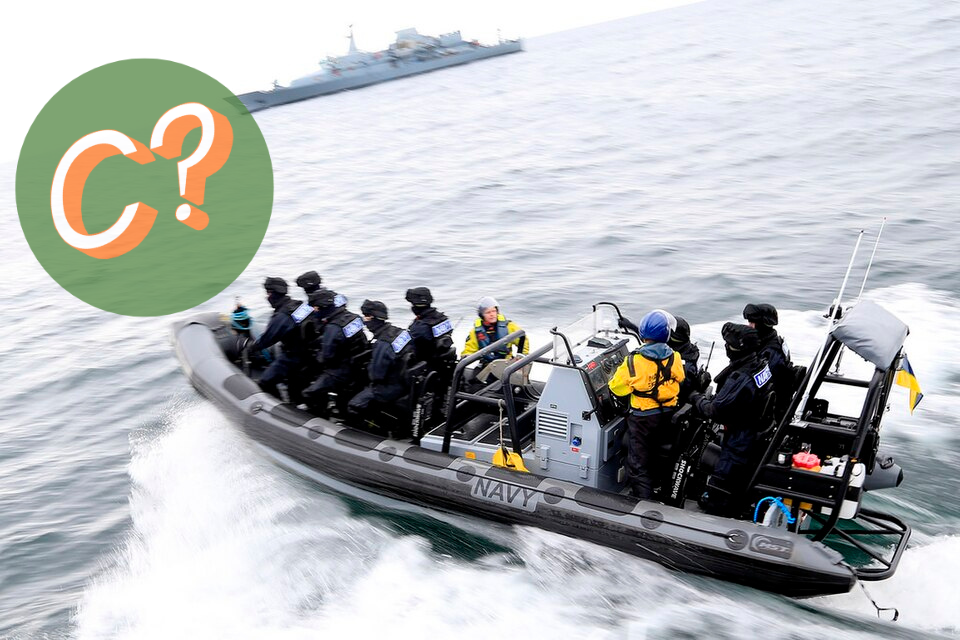
Ceist? is asking whether new safeguards will be introduced to govern the deployment of Irish troops on peacekeeping missions if the Triple Lock is abolished.
As it currently stands, the deployment of more than 12 members of the Irish Defence Forces abroad must be approved by the Cabinet and the Dáil, and must also be carried out under a UN mandate.
The Government is moving to remove the requirement for UN approval. Under the proposed changes, Cabinet will have full control of Irish troop deployment decisions, as the Dáil vote is effectively rendered redundant, as TD's will be whipped to vote in line with leadership.
They also plans to increase the number of troops that can be deployed without a Dáil vote from 12 to 50.
Those who oppose the changes say the removal of the Triple Lock will erode Irish neutrality. They also argue that a UN General Assembly resolution would be sufficient to meet the requirements of the Triple Lock bypassing approval from the UN Security Council.
Ireland’s rich history of peacekeeping, including 75,000 individual tours since 1958, have all taken place under a UN mandate.
However, since 2014, no new peacekeeping missions have been approved by the UN Security Council due to the veto power held by each permanent member state.
The Government says this is why it wants to remove the Triple Lock, arguing that the five permanent members of the Security Council, particularly Russia and China, should not hold a veto over the deployment of Irish troops.
While the changes would remove the necessity for a UN mandate, Ireland would still be required to act as part of an international force. The scope of such forces is wide but would not permit Ireland to join a “Common European Defence”, which is prohibited under the Constitution.
In the proposed Defence (Amendment) Bill an international force is defined as, "(a) the United Nations, (b) the Organisation for Security and Co-operation in Europe, (c) the European Union or any institution or body of the European Union, (d) any other regional arrangement or body that operates in a manner consistent with the United Nations Charter and international law."
Those who oppose the bill are concerned that the Government of the day could be pressured by EU colleagues to deploy troops into areas where consent for peacekeeping has not been given by all conflicting sides.
Take Russia's war in Ukraine for example, where leaders in the EU have been keen to offer peacekeeping troops in search of a ceasefire despite Russia's continued opposition to any foreign military being introduced to the region.
Consent of the main parties in conflict is one of the UN's principles of peacekeeping.
"Acceptance of a peacekeeping operation provides the UN with the necessary freedom of action, both political and physical, to carry out its mandated tasks.
In the absence of such consent, a peacekeeping operation risks becoming a party to the conflict; and being drawn towards enforcement action, and away from its fundamental role of keeping the peace."
While the Government say Ireland would operate within an international force that will operate in line with the UN charter, there are provisions in Chapter VII that allow for peace enforcement missions to be carried out without consent from the conflict parties.
Consistent research shows that consent from host states significantly affects the implementation of UN peacekeepers duties.
This is why Ceist? is asking will additional safeguards be introduced when deciding on whether troops will be deployed to foreign conflict zones.